


The most unsettling thing about Channel 4’s The Experiment is not that it takes viewers inside one of history’s darkest chapters. It is that so much of the language feels uncomfortably familiar.
Billed by Channel 4 as an exploration of whether audiences would “recognise cruelty if it was dressed up as care”, the documentary follows Sophie Morgan and Mat Fraser as they investigate how disabled people were portrayed, segregated and ultimately murdered under the Nazi Aktion T4 programme. Yet rather than treating history as something settled, the documentary explores what happens when old ideas are repackaged for modern audiences. It asks whether we would recognise dangerous thinking wrapped in the language of compassion and common sense.
The documentary’s question is deceptively simple. If historic prejudices were stripped of their uniforms, symbols and slogans, would we still recognise them? Or would we accept them if they arrived branded as innovation, efficiency and care?
Early in the programme, Morgan and Fraser explain why they embarked on the project. They wanted to explore “the horrific period of history where arguments about cost and efficiency justified the Nazis’ treatment of disabled people”. More strikingly, they said:
“Disabled people are once again being framed as a financial burden.”
Sophie Morgan and Mat Fraser
This statement hangs over everything that follows, because the documentary asks viewers to do far more than confront the past. It asks them to examine the assumptions embedded in contemporary discussions about disability, welfare and economic value.
The question stayed with me long after the credits rolled because it echoed a recent conversation I had with Helen Whately (Conservative MP for Faversham and Mid Kent and Shadow Secretary of State for Work and Pensions) responding to a video about welfare reform. I challenged her use of a phrase frequently heard in political debate: “standing on your own two feet”. As someone who uses a powerchair, I replied straightforwardly. “I sit in a powerchair. I literally can’t stand on my own two feet.” My question was not whether disabled people should work where they can. Most already want to. It was whether politicians are asking the right questions. Before discussing welfare bills and economic inactivity, should we not first address inaccessible housing, inadequate transport, shrinking support systems and environments that continue to exclude disabled people from full participation in society?
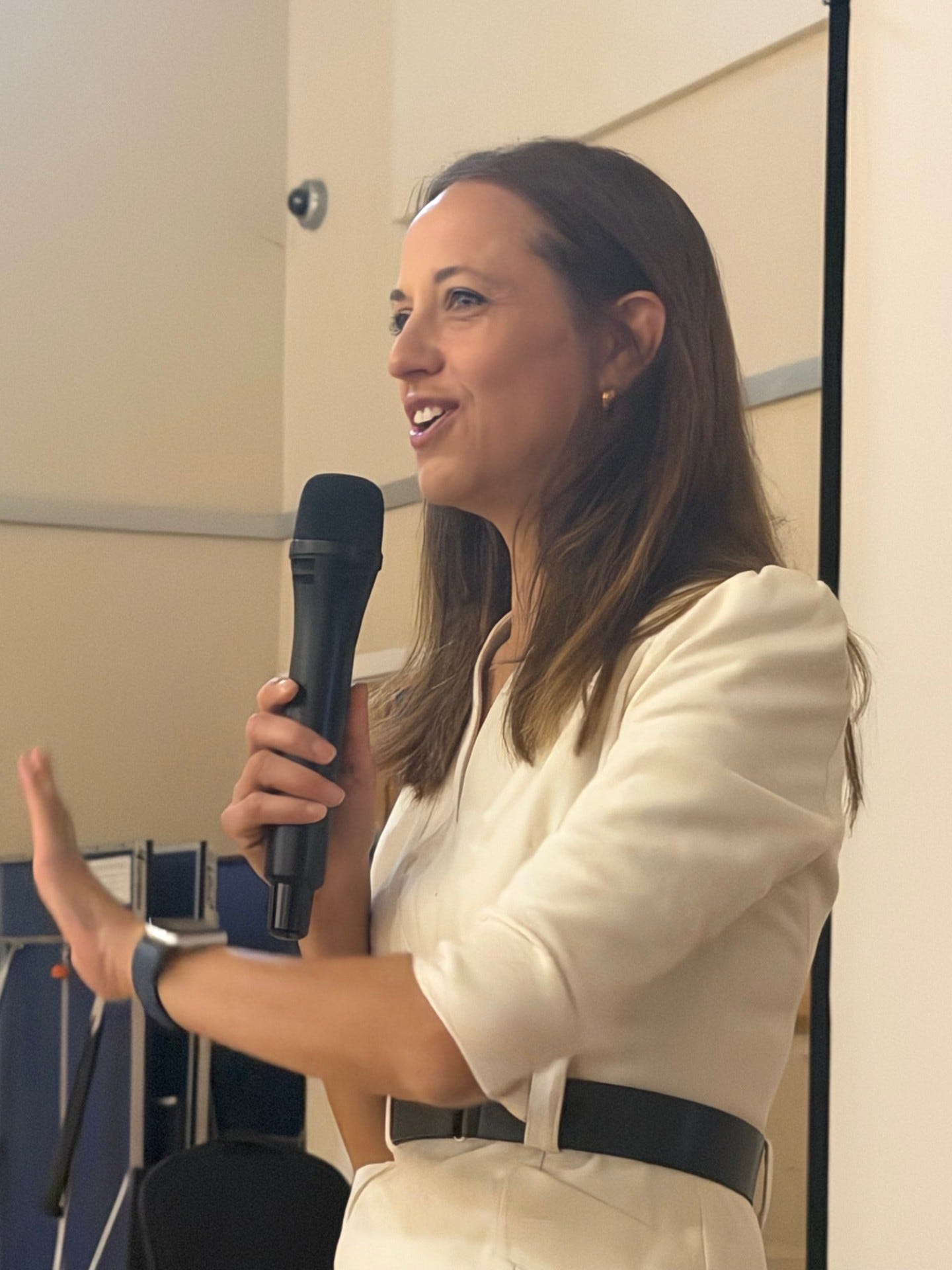
Whately’s response was detailed and considered. She argued that support should be better targeted and that resources intended for those with the greatest needs are not always reaching the people they were designed to help. She also acknowledged the importance of some accessible housing within the planning system, while arguing that making every home fully accessible would significantly increase building costs. Whether one agrees with her conclusions or not, the exchange highlighted something significant. Increasingly, disability is discussed in terms of cost, productivity and expenditure rather than rights, opportunity and inclusion. That framing sits at the centre of C4’s The Experiment.
To understand where such thinking ultimately led, Morgan and Fraser travelled to Hartheim Castle in Austria, one of the Nazi regime’s designated killing centres. Between 1940 and 1944, tens of thousands of disabled people were murdered there after being judged unproductive, burdensome or unworthy of life. The documentary makes clear that mass murder was not the beginning of that story. It was the end point of years of propaganda, persuasion and dehumanisation. Before disabled people were killed, they were categorised. Before they were murdered, they were discussed as a problem to be solved. The Nazis did not begin with extermination. They began with justification, persuasion and the gradual normalisation of ideas once considered unthinkable.
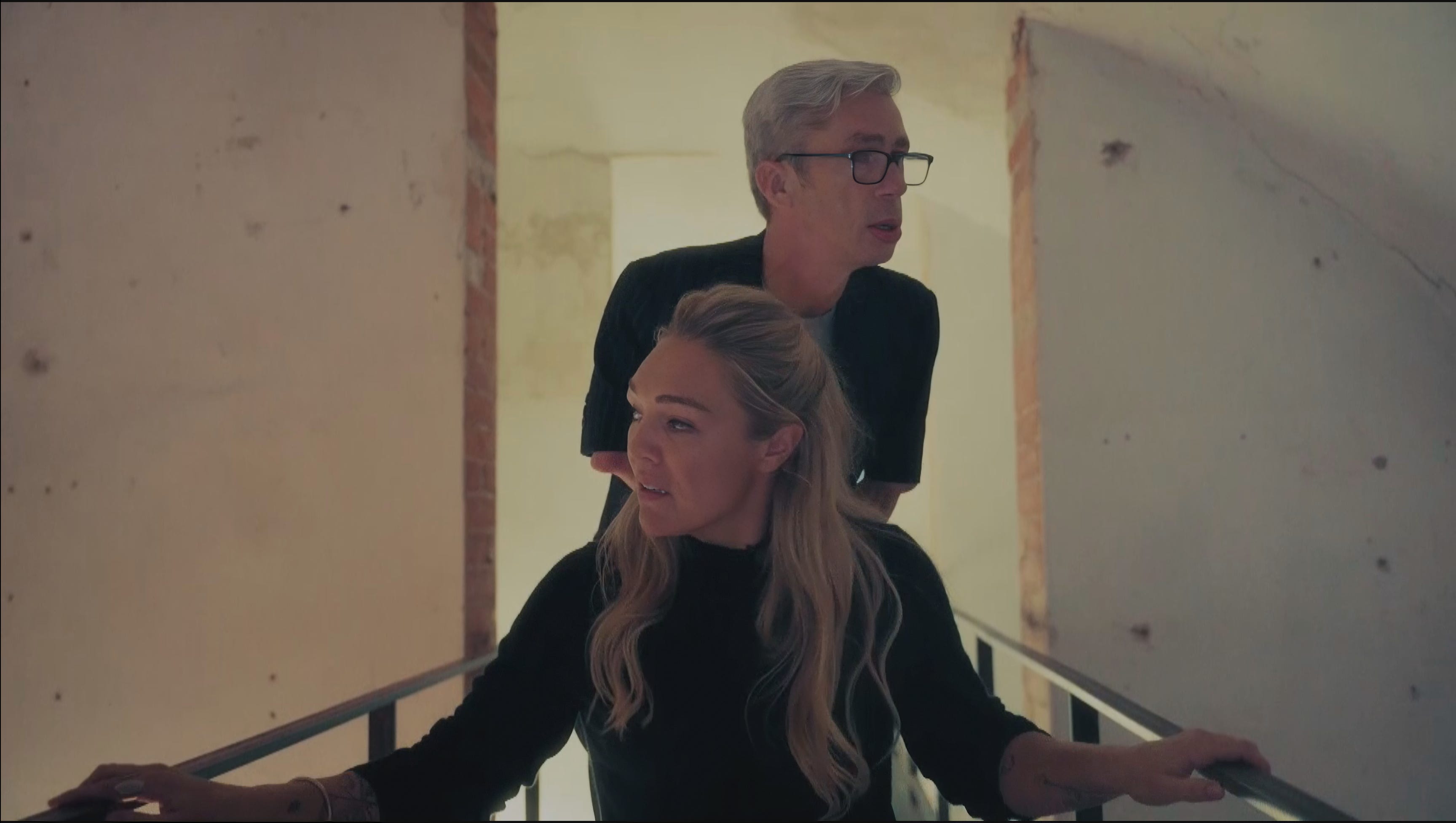
Inside Hartheim Castle, Morgan and Fraser are confronted not just with statistics but with traces of individual lives. Personal belongings remain. Glasses. Mugs. Everyday objects. Sophie Morgan reflects that seeing them “repersonalises what all the propaganda depersonalised”. It is a powerful observation because Aktion T4 became possible only after people were reduced to categories rather than recognised as human beings.
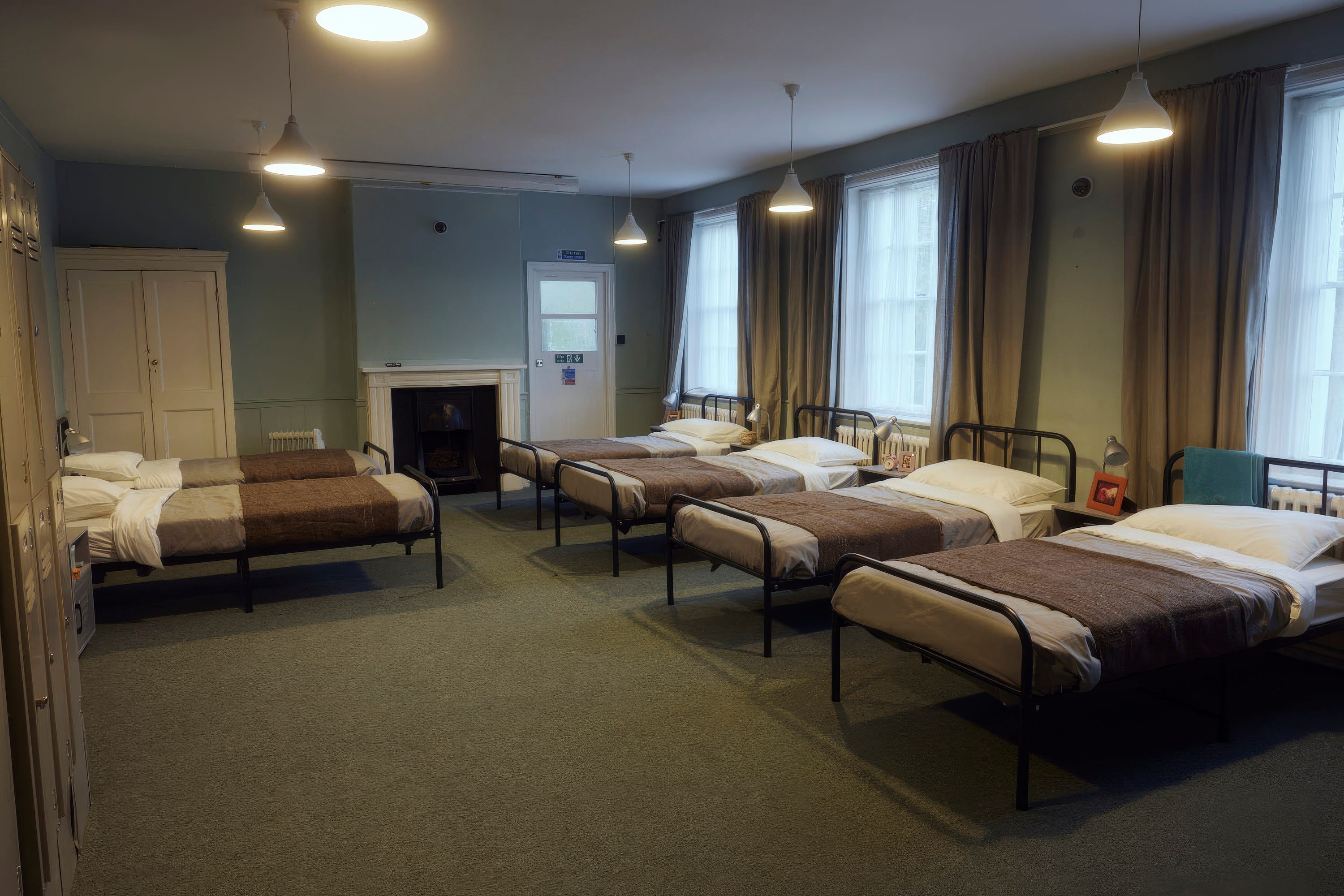
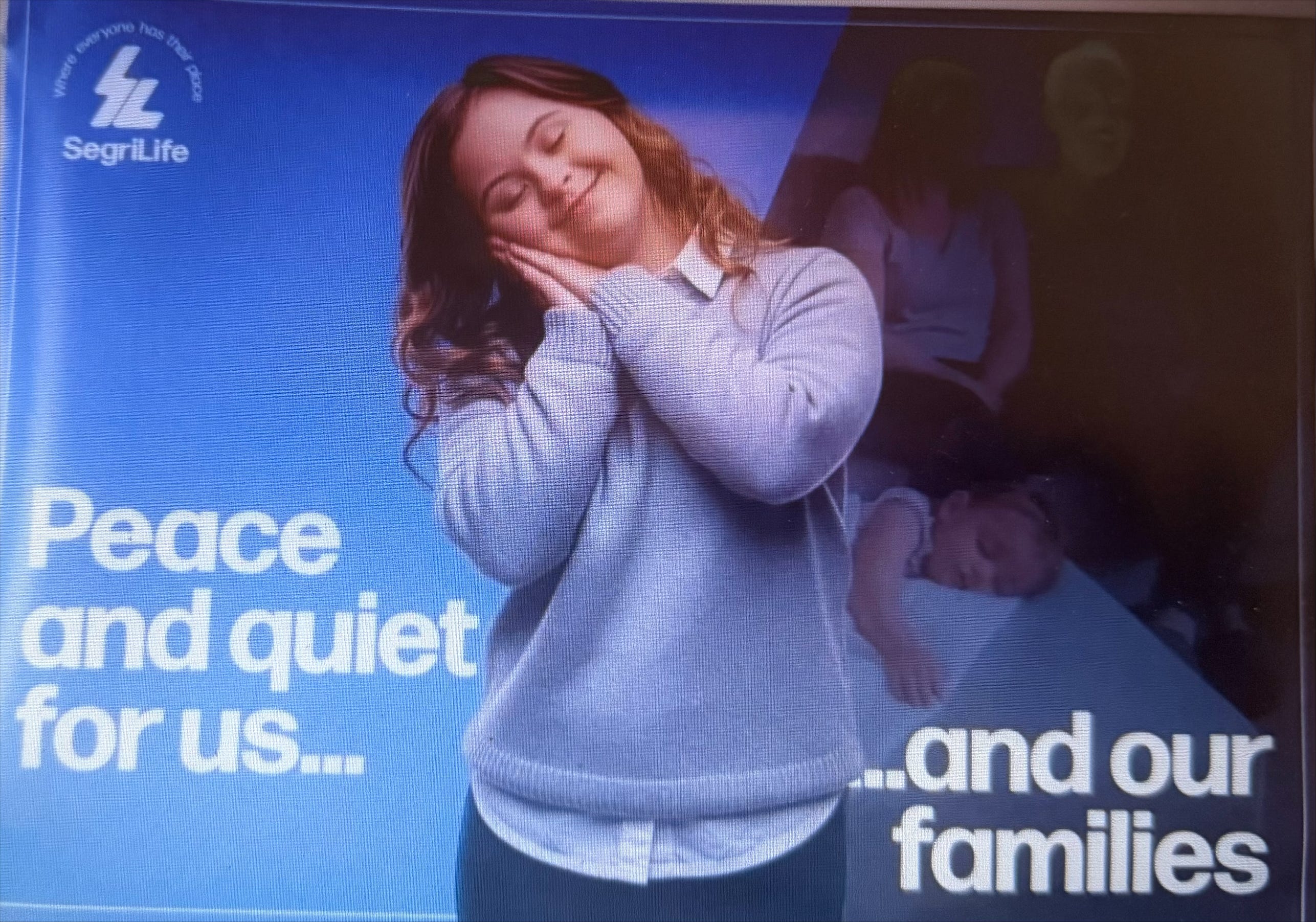
The Experiment is so effective because it avoids presenting this history as remote or incomprehensible. Instead, it asks viewers to watch it happen in miniature. Its centrepiece is SegriLife House, a fictional residential institution marketed as an innovative solution for disabled people. The branding is professional. The language is reassuring. It emphasises community, safety and efficiency. Yet everything within the institution draws upon ideas used historically to justify segregation and exclusion.
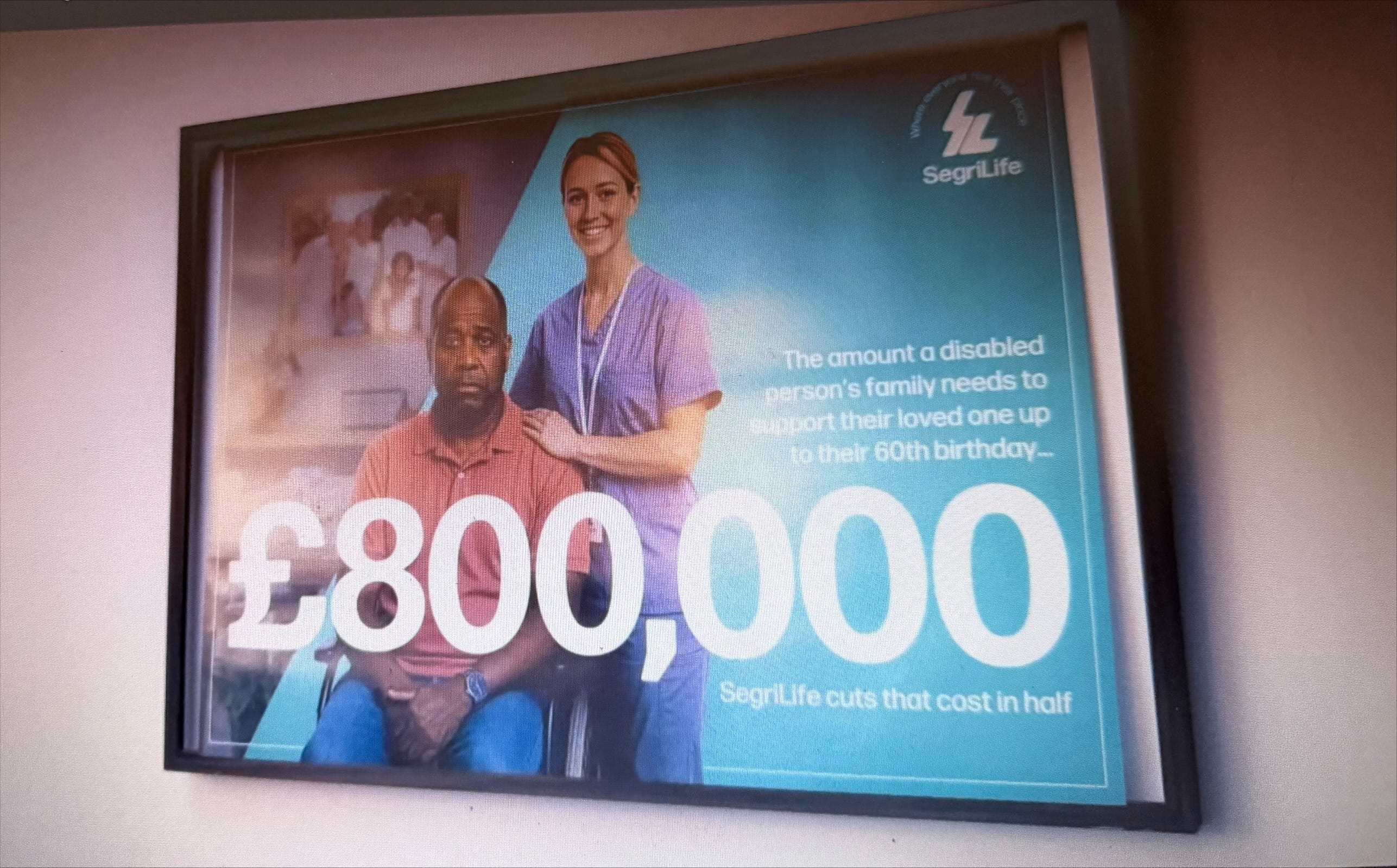
The most chilling aspect of the programme is not the institution itself but the reaction to it. Visitors tour SegriLife House, believing it is genuine. They encounter shared dormitories, monitored living arrangements and workshops where disabled residents carry out repetitive tasks. Some participants challenge what they see. Others accept the messaging with little question. One participant concluded that the concept is “what this country needs”. Another described the facility as “very positive overall.” Others praise the atmosphere or suggest public funding could be better directed toward facilities like this than toward supporting disabled people to live independently. These are not villains. They are ordinary members of the public responding to a carefully constructed system presented as practical, affordable and compassionate. That is precisely what makes the documentary so disturbing. As I watched those reactions unfold, I wondered how many of us would recognise segregation if it arrived disguised as support.
The residents portrayed in SegriLife House reflected the reality of disability. They weren't one group with one experience. Some had physical impairments, others were neurodivergent, and one actor had become disabled after losing an arm in a motorbike accident. The cast's diversity in The Experiment reminded us that disability isn't a fixed category. It can be congenital, acquired, visible, invisible, temporary or lifelong. Yet throughout history, people so different have often been grouped and discussed as though they share a single identity and a single value to society.
What struck me most about SegriLife House was not what was said, but what was absent. They discussed cost, efficiency, safety and sustainability endlessly. There was remarkably little discussion about autonomy, rights or what disabled people themselves might choose. The visitors weren't asked whether disabled people mattered. They were being asked whether there might be a cheaper way to accommodate them. Once that becomes the starting point, the conversation has already shifted.
It is impossible to watch The Experiment without thinking about the language surrounding disability today. In March 2025, the Department for Work and Pensions published a report estimating that working-age ill health and disability preventing employment costs the UK economy between £240 billion and £330 billion annually.
There is nothing inherently wrong with governments measuring economic participation. Policymakers need evidence. Economists need data. Public spending should be scrutinised. Yet The Experiment asks us to consider what happens when those measurements become the dominant story, when disabled people increasingly appear in public debate not as neighbours, colleagues, parents, friends or citizens but as costs, claims and projections.
Those barriers remain stubbornly familiar. Accessible housing remains in short supply. Public transport continues to fail many disabled passengers. Social care budgets remain under immense pressure, while support systems designed to help people remain in work are routinely criticised for delays and complexity. When these realities disappear from the discussion, economic statistics risk becoming the dominant narrative.
This is not an argument against scrutiny of public spending, nor against evidence. Governments should examine costs. Journalists should analyse data. Public policy should be debated rigorously. The question is whether cost becomes the only lens through which we understand disability. Once people are discussed primarily in terms of expenditure, we risk losing something far more important.
The easiest response to The Experiment is to accuse it of making inappropriate comparisons. Britain is not Nazi Germany, and nobody serious is suggesting otherwise. The programme’s argument is more subtle. History rarely repeats itself in identical form. What returns are the narratives, the assumptions and the hierarchies of value. Dangerous ideas do not arrive in uniform. More often they arrive through policy papers, media narratives, budget statements and apparently reasonable conversations about cost, productivity and contribution.
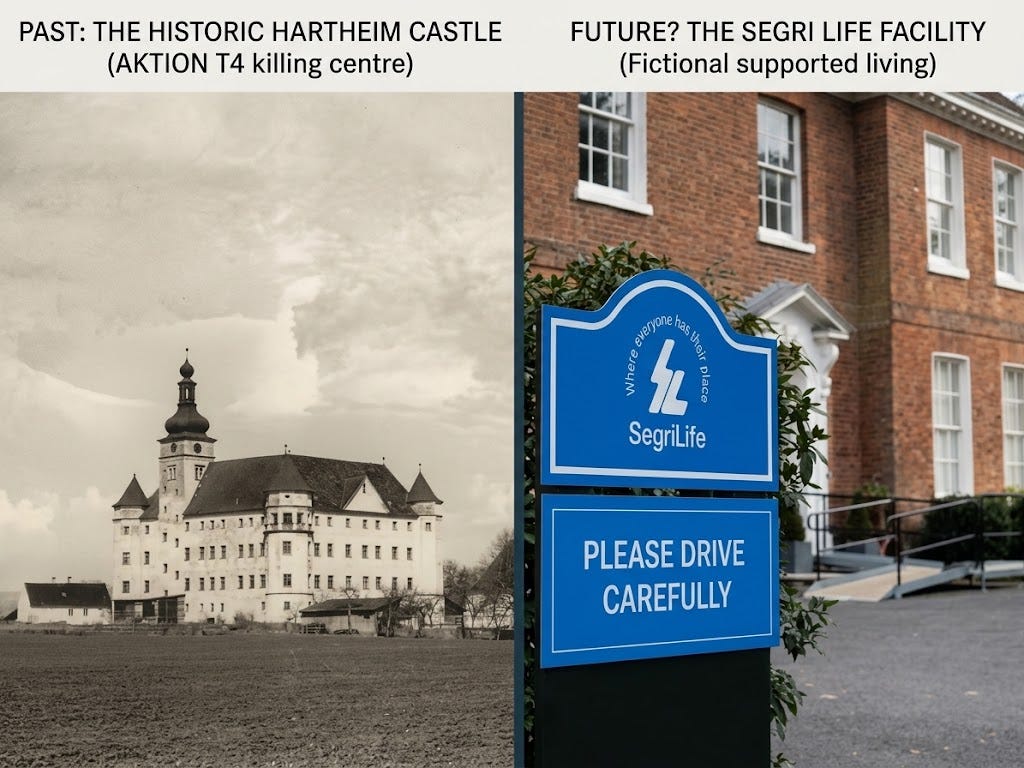
The most frightening moment in The Experiment was not standing inside Hartheim Castle in Austria. It was watching ordinary people, presented with a carefully packaged idea, begin to accept it as practical, affordable and even compassionate.
We like to believe we would recognise dangerous ideas when they appear. We tell ourselves we've learned history's lessons and that some paths can never be walked again. Yet history rarely announces itself. It arrives quietly, through language, assumptions and stories about who contributes and who pays. We always promise ourselves “never again”. Then we stop paying attention.